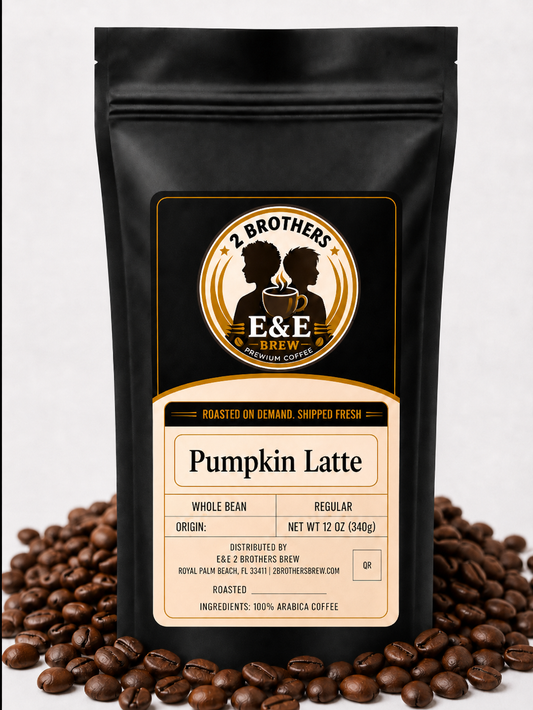
Does Pumpkin Spice Coffee Actually Contain Pumpkin?
No. Pumpkin spice coffee does not contain pumpkin. Neither does pumpkin spice creamer, pumpkin spice cereal, or the pumpkin spice latte at your local café. The name refers to the spices traditionally used to season a pumpkin pie — not to the squash itself.
This surprises a lot of people, so it's worth unpacking properly.
What "pumpkin spice" actually means
Pumpkin spice is a spice blend, in the same way that "apple pie spice" or "curry powder" are spice blends. The standard formula is:
- Cinnamon — the dominant note, usually more than half the blend
- Nutmeg — warm and slightly sweet
- Ginger — adds a faint heat
- Clove — deep and aromatic, used sparingly
- Allspice — in some blends
The blend has been sold in American grocery stores since the 1930s, decades before anyone put it in coffee. It was always a baking product. The pumpkin was the thing you put the spices on.
So why does everyone assume there's pumpkin in it?
Mostly because the name is genuinely misleading, and marketing has leaned into the confusion for years. Orange packaging, gourds on the label, autumn photography — it all implies squash. Some ready-to-drink products do include a small amount of pumpkin purée, which muddies things further. But in coffee specifically, pumpkin as an ingredient is essentially unheard of, for a simple reason: it doesn't work.
Why you can't just put pumpkin in coffee
Pumpkin is a wet, starchy, low-flavor vegetable. Its taste is mild to the point of being nearly neutral — which is exactly why pumpkin pie recipes lean so hard on spices and sugar. Add purée to roasted coffee beans and you'd get moisture, mold risk, and a muted, vegetal cup. There is no version of that which tastes good.
What actually delivers the flavor you associate with pumpkin pie is the spice blend. So that's what goes in the coffee.
How flavored coffee actually gets its flavor
Flavoring is applied after roasting, while the beans are still warm and their pores are open. A flavoring oil is tumbled with the beans until it's absorbed evenly. The bean stays dry, and the flavor sits on and just inside the surface.
That timing matters. Flavor applied to green beans would burn off in the roaster; flavor applied to cold beans sits on the outside and rubs off in the bag. The warm-bean window is the whole craft of it. We go deeper on this in our guide to what's actually in flavored whole bean coffee.
Is flavored coffee sweetened?
It depends entirely on the roaster, and this is the question worth asking before you buy. Good flavored coffee contains no sugar at all — the flavoring is aromatic, not sweet. Our pumpkin spice coffee has no added sugar and no sweetener of any kind, which means you decide how sweet the cup ends up.
The café pumpkin spice latte is a different animal. Most of its sweetness comes from a pumpkin spice syrup, which is where the 30–50g of sugar in a typical large drink comes from. The coffee isn't the sugar. The syrup is.
Does it have the same caffeine as regular coffee?
Yes. Flavoring oil has no caffeine and doesn't change what's in the bean. A medium-roast pumpkin spice coffee has roughly the same caffeine as any other medium roast — around 95mg per 8oz cup.
What to look for in a good one
- Decent coffee underneath. Flavoring hides staleness for about a week, then stops hiding it. If the base bean is bad, you'll taste it.
- Roasted to order. Flavored coffee fades faster than unflavored. A bag that sat in a warehouse for four months will smell like the spice and taste like nothing.
- No added sugar, unless you specifically want it.
- Whole bean if you can. Ground flavored coffee loses aroma noticeably faster.
Browse our flavored coffee beans — all roasted after you order and shipped within two days.