Why Coffee Has a Roast Date (and Why It Matters)
You've probably noticed that specialty coffee bags often have a date printed on them. Not a "best by" date. A roast date — the specific day the coffee was roasted.
If you've never paid attention to it before, you're not alone. Most people don't. But once you understand what that date means, you'll never ignore it again.
What Is a Roast Date?
A roast date is simply the date on which the coffee beans were roasted. Green (unroasted) coffee beans are stable and can be stored for months or even years. But the moment they go through the roaster, a clock starts ticking.
The roasting process triggers a series of chemical reactions that develop the flavors we love in coffee — caramelization, the Maillard reaction, the breakdown of chlorogenic acids. It also produces CO₂, which is released from the beans over the days and weeks following the roast. This off-gassing process is actually a good sign — it means the coffee is fresh.
But along with CO₂, roasted coffee also starts interacting with oxygen. And oxygen, over time, is the enemy of good coffee.
What Happens to Coffee After It's Roasted
Freshly roasted coffee goes through a few distinct phases:
Days 1–3: The rest period. Right off the roaster, coffee is actually too gassy to brew well. The CO₂ trapped in the beans will cause over-extraction and an uneven brew. Most roasters recommend waiting 24–72 hours before brewing, depending on the roast level and brew method. (Espresso generally needs a longer rest than pour over.)
Days 4–14: Peak flavor. This is the sweet spot. The CO₂ has had time to dissipate to a manageable level, the flavors have settled, and the coffee hasn't yet started to oxidize meaningfully. The delicate notes — fruit, florals, brightness — are at their most vibrant.
Days 15–30: Still good. The coffee is past its peak but still very drinkable. You may notice some of the more delicate notes starting to fade, replaced by a slightly flatter, more generic coffee taste.
After 30 days: Declining. The coffee is staling. Oxidation has done its work, and what's left tastes flat, woody, or papery. You can still drink it — it won't make you sick — but you're not getting what you paid for.
After 60–90 days: Stale. If you've ever bought grocery store coffee and thought it tasted dull and lifeless, this is probably why. Most commercial coffee sits in a warehouse, on a truck, and on a shelf for months before it reaches you.
Why Most Coffee Doesn't Have a Roast Date
Here's the thing: most coffee brands don't print roast dates because doing so would expose how old their coffee is.
Large commercial roasters typically operate on a model where they roast in bulk, warehouse the coffee, and ship to retail locations on a rolling basis. By the time that bag of coffee makes it to your grocery store shelf — and then sits there until you buy it — it might be four, six, or even eight months past its roast date.
Printing a roast date would make that obvious. So instead, many brands print a "best by" date that's typically 12–18 months after roasting, which sounds fine until you realize you might be buying coffee that's 11 months old with a "best by" date still two months away.
Specialty roasters print roast dates because they're proud of how fresh their coffee is. It's a mark of transparency and quality. If a bag doesn't have a roast date, ask yourself why not.
What About Degassing Valves?
You've probably seen those small one-way valves on specialty coffee bags — the little round button you can press to smell the coffee inside. Those valves allow CO₂ to escape without letting oxygen in, which extends the coffee's freshness somewhat.
But a degassing valve doesn't stop the clock — it just slows it down. Fresh coffee in a sealed bag with a valve is still better than week-old coffee, and significantly better than month-old coffee.
How to Use the Roast Date When Buying Coffee
Simple rule: buy coffee roasted within the last two weeks, and drink it within a month of the roast date.
If you're buying online from a specialty roaster, check whether they roast to order (roasting after you place your order) or roast in advance. Roast-to-order is ideal — you're guaranteed to receive coffee within days of roasting.
If you're buying from a local shop or grocery store, check the bag for a roast date. If there isn't one, put it back. If there is one and it's more than three weeks ago, consider your options.
How to Store Coffee to Maximize Freshness
Even with the freshest coffee, storage matters. A few rules:
Keep it sealed. Once you open a bag, push out as much air as possible and reseal it. If the bag doesn't reseal well, transfer the coffee to an airtight container.
Keep it away from light, heat, and moisture. A cool, dark cabinet is ideal. Not the fridge (moisture and odors) and not near the stove (heat accelerates staling).
Don't freeze it unless you have to. Freezing is controversial. If you have coffee you absolutely won't be able to drink for a month or more, freezing in an airtight container can preserve it. But freeze it once and thaw it once — repeated freeze-thaw cycles damage the beans.
Buy in smaller quantities more often. A 12 oz bag consumed within two weeks is better than a 5 lb bag you're still working through in month three.
Why This Matters More for Specialty Coffee
The fresher-is-better principle applies to all coffee, but it matters most for specialty and single origin coffees. The characteristics that make those coffees worth paying more for — the floral notes, the fruit, the brightness, the complexity — are exactly the qualities that fade fastest after roasting.
A heavily roasted dark blend is more forgiving of age because the roast flavor dominates. But a light-roasted Ethiopian Yirgacheffe? Buy it old, and you've thrown away the best parts.
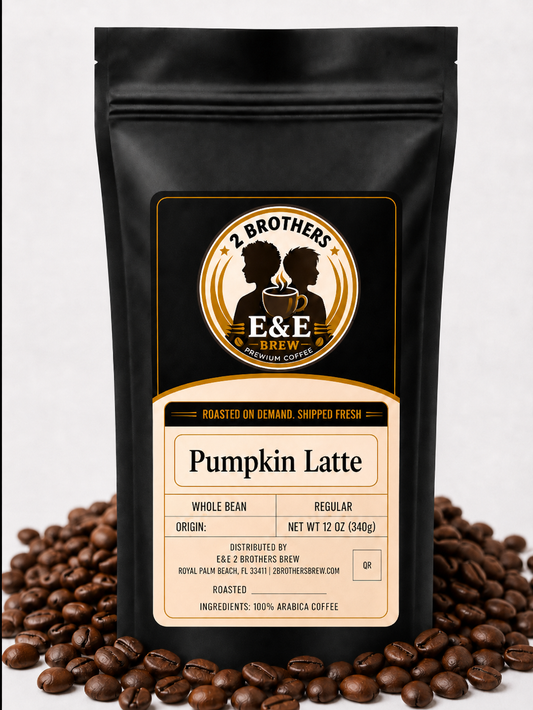
At E&E 2 Brothers Brew, every order is roasted fresh by our U.S. roasting and fulfillment partner and shipped within days. The roast date is always on the bag — because we want you to know exactly how fresh your coffee is.