How Fresh Should Coffee Be? The 2-Week Rule Explained
Ask ten coffee people how fresh coffee needs to be, and you'll get ten different answers. Some say drink it within a week of roasting. Some say it needs at least a week to rest before it's ready. Some say a month is fine. Who's right?
The honest answer: all of them, depending on what you're brewing and how you're brewing it. But there's a practical rule that works for most people in most situations: the 2-week rule.
What Is the 2-Week Rule?
The 2-week rule is simple: try to drink your coffee within two weeks of its roast date, and try not to buy coffee that's already more than two weeks old.
This isn't a hard cutoff — coffee doesn't go bad at day 15. But two weeks after roasting is roughly when specialty coffee is at or near its peak, and it's a practical target that most people can actually hit if they buy in reasonable quantities.
Why Two Weeks Specifically?
The two-week window comes from understanding what happens to coffee after it's roasted.
When coffee comes off the roaster, it's releasing CO₂ — a byproduct of the roasting process. For the first day or two, there's so much CO₂ that it actually interferes with extraction. If you brew coffee too soon after roasting, the gas escaping from the grounds disrupts the water's contact with the coffee, and you get an uneven, underdeveloped cup.
This is why most specialty roasters recommend letting coffee rest for at least 24–72 hours after roasting before brewing. Espresso typically needs even longer — sometimes 7–10 days — because the pressurized extraction is especially sensitive to excess CO₂.
After that rest period, you hit the sweet spot. The CO₂ has dissipated to a level that doesn't interfere with brewing, but the coffee hasn't yet been significantly damaged by oxidation. The flavors are vivid and complex. This peak window typically runs from about day 4 through day 14 or so, depending on the roast level and storage conditions.
After two weeks, the coffee is still good — but you'll start to notice a gradual softening of the more delicate flavors. The bright fruit notes fade first. The florals go next. What's left is still coffee, but it's less interesting coffee.
Does Roast Level Change the Timeline?
Yes, significantly.
Light roasts are denser and release CO₂ more slowly. They need a longer rest (3–5 days for pour over, up to 10 days for espresso) but they also hold their flavor longer — often staying excellent for 3–4 weeks after roasting.
Dark roasts are more porous and off-gas faster. They can be ready to brew sooner (sometimes within 24 hours) but they also stale faster — losing their best qualities within 1–2 weeks.
Medium roasts fall in the middle, both in terms of rest time needed and how long they stay at peak.
As a rule of thumb: the lighter the roast, the more patient you need to be at the start, and the more time you have at the end.
Does Brew Method Matter?
Absolutely.
Pour over and filter methods are the most sensitive to freshness. Because these methods use a slow, gentle extraction, they highlight the nuances in the coffee — including the delicate flavors that fade first with age. Fresh coffee shines here; stale coffee is more obviously stale.
Espresso is simultaneously more forgiving and less forgiving. More forgiving because the intense extraction can pull flavor from beans that filter methods would struggle with. Less forgiving because it also amplifies defects — including off-flavors that develop as coffee ages.
French press and immersion methods tend to be a bit more forgiving of age because the full-immersion extraction is less dependent on the CO₂ dynamics that affect pour over.
Cold brew is the most forgiving — the long, cold extraction pulls from the coffee very differently than hot brewing, and you can use slightly older beans here without as noticeable a drop in quality.
What About Coffee That's More Than a Month Old?
It's still safe to drink. Coffee doesn't spoil in a dangerous way — it just gets stale.
At 30–45 days, most specialty coffees have lost a meaningful portion of their distinctive character. You can still make a good cup, but you're not getting what you paid for if you bought specialty coffee for its origin flavors.
At 60+ days, the coffee tastes flat. This is why grocery store coffee tastes the way it does — it's typically 3–6 months off-roast by the time you buy it, sometimes older. The roasty bitterness remains; everything interesting is long gone.
One practical note: if you've had coffee sitting around for a while, it still makes excellent cold brew. Cold brew's extended extraction time can pull reasonable flavor from beans that have gone past their peak for hot brewing.
How to Buy Coffee So You Always Have It Fresh
The biggest freshness mistake most people make is buying too much coffee at once. A 2 lb bag sounds economical, but if it takes you six weeks to finish it, you're drinking stale coffee for most of that time.
A better approach:
Buy in 8–12 oz quantities unless you're a heavy coffee drinker. A 12 oz bag at roughly 2 tablespoons per 12 oz cup gives you about 11–12 cups — roughly a week's worth for a daily drinker.
Order more before you run out. If you're buying from a roaster who ships within a few days of roasting, you can order when you're halfway through your current bag and have fresh coffee arriving just as you need it.
Set up a subscription. A recurring delivery every 2–4 weeks means you always have fresh coffee on hand without having to remember to reorder.
Check the roast date before you buy. If you're buying in a store, look for a bag roasted within the last two weeks. If there's no roast date at all, that's a signal worth paying attention to.
The Bottom Line
Coffee is best between about 4 days and 2 weeks after roasting. Drink it in that window whenever you can. Buy from a roaster who tells you when they roasted it. And don't stockpile — fresh coffee bought often is always better than bulk coffee bought occasionally.
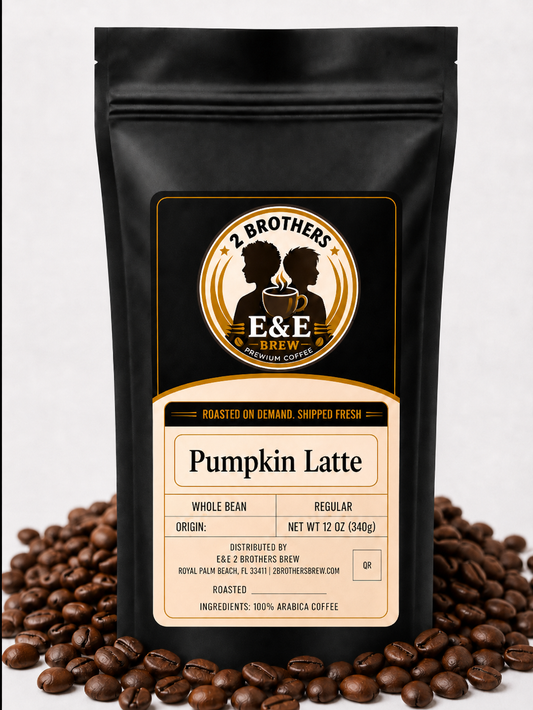
At E&E 2 Brothers Brew, every order is roasted fresh by our U.S. roasting and fulfillment partner and shipped within days. Your coffee arrives with plenty of peak-freshness time ahead of it.
Order fresh-roasted coffee, shipped within days of roasting →