Coffee Grind Size Guide: Which Grind for Which Brew Method
Why Grind Size Is the Most Important Variable Nobody Talks About
Ask most coffee drinkers what affects the taste of their cup and they'll say: the beans, the roast, maybe the water. Grind size rarely comes up — but it should be the first thing you look at when something tastes off.
Grind size controls extraction — how much of the coffee's flavor compounds dissolve into the water during brewing. The right grind produces a balanced, complex cup. The wrong grind produces sour, bitter, or flat coffee, regardless of how good your beans are.
This guide covers every common brew method, the right grind for each, how to tell if you're grinding correctly, and how to adjust when things go wrong.
The Quick Reference: Grind Size by Brew Method
| Brew Method | Grind Size | Visual Reference | Brew Time |
|---|---|---|---|
| Turkish coffee | Extra fine | Powdered sugar | 3–4 min |
| Espresso | Fine | Table salt | 25–35 sec |
| Moka pot | Fine-medium | Fine sand | 5–7 min |
| AeroPress (short) | Medium-fine | Table salt | 1–2 min |
| Pour over (V60, Chemex) | Medium | Sea salt | 2:30–3:30 min |
| Drip / Auto brewer | Medium | Sea salt | 5–8 min |
| Siphon | Medium | Sea salt | 1:30–2 min |
| AeroPress (long) | Medium-coarse | Rough sea salt | 2–4 min |
| French press | Coarse | Coarse sea salt | 4 min |
| Cold brew | Extra coarse | Raw sugar / coarse breadcrumbs | 12–24 hrs |
Understanding Why Grind Size Matters
Coffee extraction is a dissolution process — water dissolves flavor compounds out of the ground coffee. The rate and completeness of that extraction is controlled primarily by:
- Surface area — finer grinds have more surface area, extracting faster. Coarser grinds have less surface area, extracting slower.
- Contact time — how long water is in contact with the grounds. Short contact time (espresso: 30 seconds) requires fine grind. Long contact time (cold brew: 18 hours) requires coarse grind.
- Water temperature — hotter water extracts faster, so hot brew methods can use coarser grinds than cold brew for the same extraction level.
Match these three variables correctly and extraction is balanced — sweet, complex, complete. Mismatch them and you get under-extraction (sour, thin, weak) or over-extraction (bitter, harsh, dry).
Grind Size by Method — In Detail
Espresso — Fine
Espresso forces hot water through packed, finely ground coffee at high pressure in 25–35 seconds. Fine grind creates enough resistance to slow the water down — without it, the shot pulls too fast and tastes weak and sour (under-extracted).
Visual: Fine table salt. No visible particles, but not quite powder. Should feel slightly gritty between your fingers.
Common mistake: Grinding too coarse. If your shot pulls in under 20 seconds and tastes sour, grind finer in small increments.
Pour Over (V60, Chemex, Kalita Wave) — Medium
Pour over needs a medium grind — coarser than espresso, finer than French press. The goal is a total brew time of 2:30–3:30 minutes. Use brew time as your guide and adjust grind to hit that window.
Visual: Sea salt. Distinct particles you can see, roughly uniform in size.
Common mistake: Going too fine (under-extracts fast, then over-extracts if you slow down) or too coarse (water flows through too fast, sour and thin). Aim for that 2:30–3:30 window and you'll dial in the grind correctly.
Drip / Auto Brewer — Medium
Same grind range as pour over. Most drip machines are calibrated for medium grind. If your drip coffee tastes flat or weak, try a slightly finer grind. If it's bitter, go coarser.
Visual: Sea salt. The same as pour over — a consistent medium grind.
French Press — Coarse
French press uses full immersion for 4 minutes — water sits in contact with the grounds for the entire brew time. A coarse grind prevents over-extraction during that contact time and makes the plunger easier to press.
Visual: Coarse sea salt or rough breadcrumbs. You should be able to clearly see individual particles.
Common mistake: Grinding too fine. Fine grind in a French press produces bitter, muddy, over-extracted coffee — and the fines pass through the metal filter into your cup.
Cold Brew — Extra Coarse
Cold brew steeps for 12–24 hours, which more than compensates for the extra-coarse grind. Coarse grind prevents over-extraction during the long steep and makes straining much easier.
Visual: Raw sugar or very coarse breadcrumbs. The coarsest setting on most grinders.
Common mistake: Using regular French press grind (too fine for cold brew). You'll get bitter, gritty cold brew that's hard to filter.
AeroPress — Variable
AeroPress is the most versatile brewer and accepts a wide range of grind sizes depending on your recipe. Short steep time (1–2 minutes): medium-fine, like pour over. Long steep time (2–4 minutes): medium-coarse, like between pour over and French press. Espresso-style AeroPress: fine, close to espresso grind.
Moka Pot — Fine-Medium
Moka pot uses pressure and heat — it needs a finer grind than drip but coarser than true espresso. Think of it as a fine-medium: finer than pour over, not quite espresso.
Common mistake: Using espresso grind in a moka pot. Too fine = too much resistance = boiling water spitting out the sides. Go slightly coarser than your espresso setting.
Burr Grinder vs. Blade Grinder
If you're reading a grind size guide and using a blade grinder, this is the most important upgrade you can make to your coffee setup — more impactful than buying more expensive beans.
Blade grinders chop coffee randomly, producing a mix of fine powder and large chunks. The fine particles over-extract (bitter), the large chunks under-extract (sour), and the cup tastes muddled regardless of what grind setting you choose. You can't control grind size with a blade grinder — you can only control grind time, which affects quantity, not consistency.
Burr grinders crush coffee between two abrasive surfaces, producing uniform particle size at a specific setting. This is what makes grind size actually controllable — and why every coffee recommendation about grind size assumes a burr grinder.
Entry-level burr grinders (Baratza Encore, OXO Brew, or hand grinders like the Timemore C2 or 1Zpresso JX) start around $50–$100 and will dramatically improve every cup you make.
How to Know If Your Grind Is Right
Taste is the ultimate guide. Here's the diagnostic:
- Sour, weak, thin, or watery: Under-extracted. Grind finer (or brew longer, use hotter water).
- Bitter, harsh, dry, or astringent: Over-extracted. Grind coarser (or brew shorter, use cooler water).
- Balanced, sweet, complex, smooth: You're in the zone. Don't change anything.
When adjusting, change only one variable at a time — otherwise you won't know what fixed (or broke) the cup.
Grind Fresh, Every Time
Grind size is only half the equation. The other half is freshness. Ground coffee begins oxidizing and losing aromatics within minutes of grinding — the volatile compounds that make specialty coffee interesting are the first to disappear.
Grind right before brewing, every time. If you buy pre-ground coffee, you're missing a significant portion of the flavor potential, regardless of grind size.
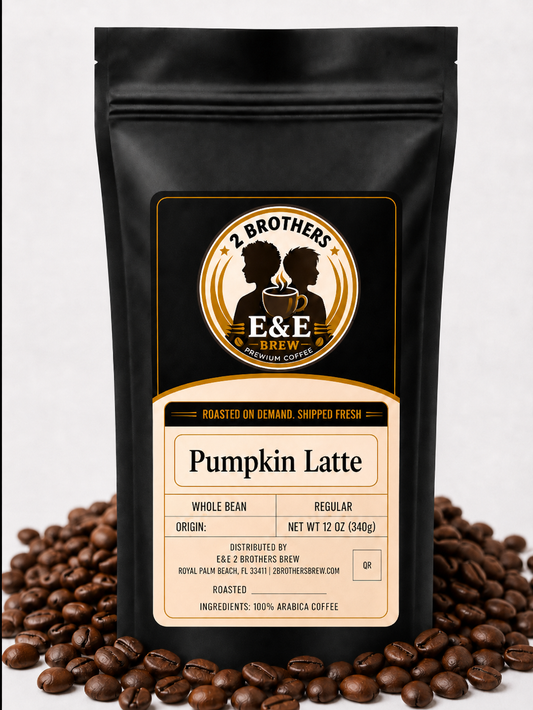
That's why we recommend whole bean — and why every order is roasted fresh. The combination of fresh-roasted whole bean coffee ground right before brewing is the single biggest quality upgrade available for your home coffee setup.
Browse our full coffee lineup — single origin, blends, and flavored coffees, all roasted to order. Use WELCOME15 for 15% off your first order.